
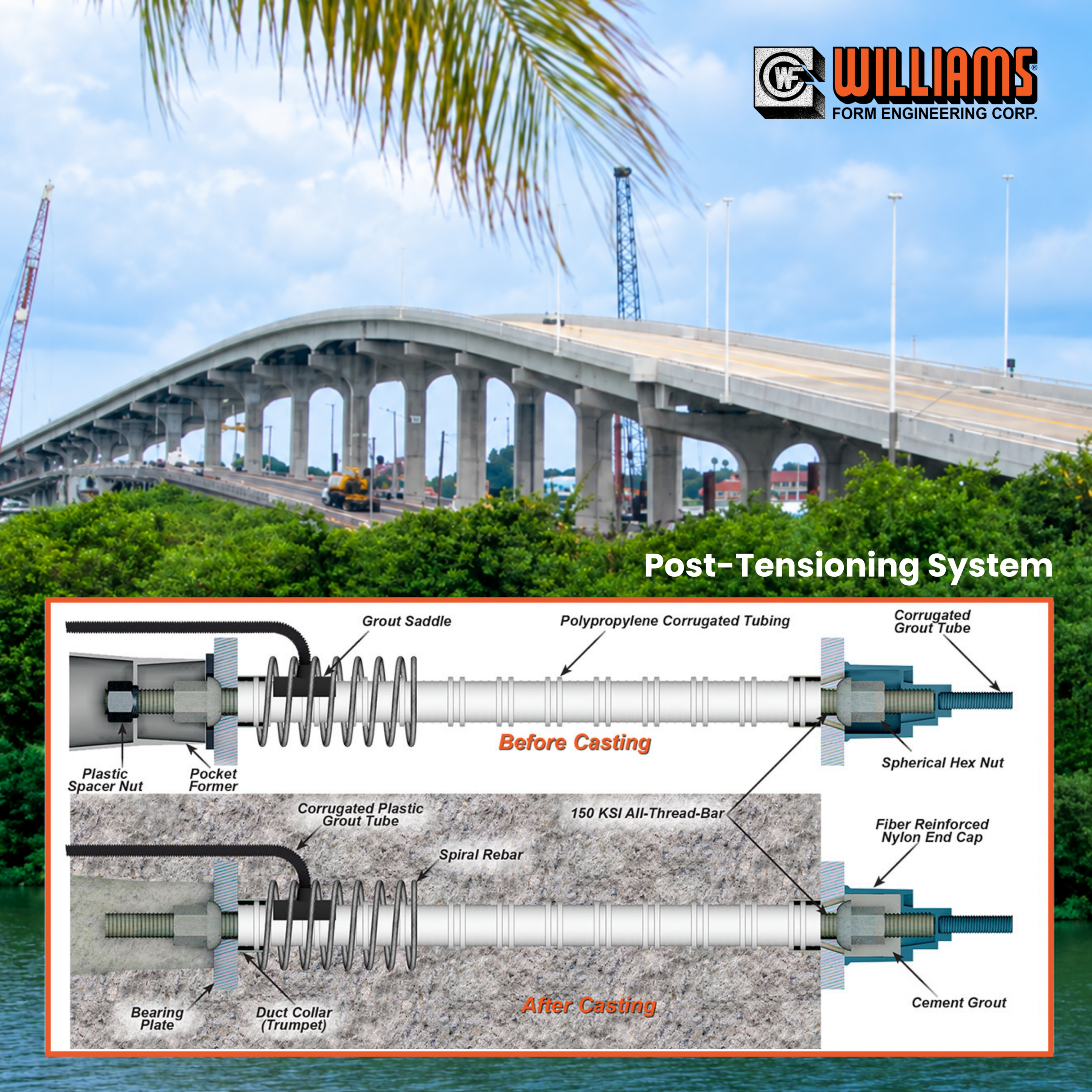
What Are Post-Tensioning Systems and Why Are They Used?
Concrete is exceptionally strong in compression, but comparatively weak when subjected to tensile forces. Post-tensioning helps engineers address this limitation by introducing a controlled compressive force into a concrete structure, allowing it to better resist the stresses it will experience in service.
From bridges and structural retrofits to foundations and other heavily loaded structures, post-tensioning systems provide engineers with an effective way to increase structural performance, control cracking, and efficiently transfer significant loads.
What Is Post-Tensioning?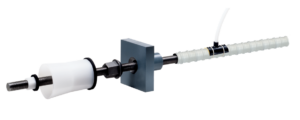
Post-tensioning is a method of prestressing concrete in which high-strength steel bars or tendons are tensioned after the concrete has reached sufficient strength.
The process creates compressive forces within the concrete that counteract tensile stresses generated by structural loads. Instead of allowing the concrete to experience those tensile forces by itself, the post-tensioning system helps keep the concrete in compression.
In simplified terms, the process typically involves:
- Installing high-strength steel bars or tendons within or through the structure.
- Allowing the concrete to reach the required strength.
- Applying tension to the steel using hydraulic stressing equipment.
- Anchoring the tensioned steel, transferring the force into the structure.
- Protecting the system, where required, through grouting and other corrosion-protection methods.
The result is a structural system in which high-strength steel and concrete work together more efficiently.
Why Use Post-Tensioning?
Post-tensioning can provide several important structural and construction advantages.
- Greater structural capacity. Introducing compressive forces into the concrete helps the structure resist substantial service loads and can increase overall structural efficiency.
- Improved crack control. Because post-tensioning counteracts tensile stresses, it can reduce the development and width of cracks under service conditions.
- Longer spans and efficient structural sections. Post-tensioning can allow engineers to achieve longer spans or reduce the size and weight of structural members compared with some conventional reinforced-concrete designs.
- Improved serviceability and durability. Better control of cracking and deflection can contribute to improved long-term structural performance, particularly in demanding infrastructure environments.
- Versatility. Post-tensioning can be incorporated into new construction or used as part of structural strengthening and retrofit projects.
Where Are Post-Tensioning Systems Used?
Post-tensioning is particularly valuable in infrastructure applications where high loads, long spans, structural movement, durability, or space constraints must be considered.
Bridge construction is one of the most recognizable applications. Post-tensioning can be used both longitudinally and transversely to introduce forces into bridge components and connect structural elements. It is also commonly used in precast and segmental bridge construction and for bridge repair and retrofit applications.
But the technology extends well beyond bridges. High-strength post-tensioning bars can be used for structural connections, concrete ties, seismic restrainers, foundation systems, tower base connections and other applications requiring significant tensile capacity.
Bar Post-Tensioning Systems
Depending on the application, engineers may specify strand- or bar-based post-tensioning systems. High-strength threaded bars can be particularly useful when concentrated loads, shorter tendon lengths, positive mechanical connections or precise adjustment are required.
The threaded design also allows bars to be integrated with engineered nuts, couplers, bearing plates and other accessories to create a complete load-transfer system.
Williams Prestressing/Post-Tensioning Systems utilize high-tensile steel All-Thread-Bars available in seven diameters ranging from 1 inch (26 mm) through 3 inches (75 mm), with guaranteed tensile strengths reaching 1,027 kips (4,568 kN). Williams tension components are designed to develop 100% of the bar strength, and system components are designed and manufactured in the United States.
Williams Post-Tensioning Systems
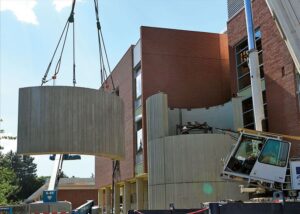
Williams Form Engineering has supplied high-strength threaded bar systems for projects around the world. Williams All-Thread-Bar systems support a broad range of applications, including:
- Transverse and longitudinal post-tensioning
- Bridge retrofit applications
- Structural steel frame ties
- Concrete ties
- Seismic restrainer systems
- Temporary high-strength connections
- Tower base plate anchor bolts
- High-strength concrete reinforcement
- Ground anchors and soil nails
- Wind turbine foundation anchor bolts
Williams bars can be positioned before concrete placement or installed through ducting in cast concrete, providing flexibility for different construction methods and project requirements.
Williams also offers supporting post-tensioning components including bearing plates, pocket formers, local-zone reinforcing and corrugated duct systems, allowing engineers and contractors to configure systems around specific structural, installation and corrosion-protection requirements.
Proven on Major Infrastructure Projects
Williams post-tensioning systems have been incorporated into significant infrastructure projects across the United States, including the SR 520 Evergreen Point Floating Bridge in Washington, the San Francisco–Oakland East Bay Skyway Bridge, the Colorado River Bridge near Hoover Dam, and numerous bridge repair and retrofit projects.
These applications demonstrate one of the primary advantages of post-tensioning: the ability to efficiently introduce and maintain substantial forces within critical structures.
Building Strength Into the Structure
Post-tensioning isn’t simply about adding stronger steel. It is about controlling how forces move through a structure.
By combining high-strength steel with engineered anchorage, load-transfer and corrosion-protection components, post-tensioning gives engineers another tool for designing structures capable of handling demanding loads while improving structural efficiency and long-term performance.
For more information about Williams Post-Tensioning Systems, available bar sizes, accessories and application options, visit the Williams Post-Tensioning Systems page or contact your local Williams representative.